 Sep 22, 2025 - 0
Minutes read
Sep 22, 2025 - 0
Minutes read
Zillow: Revolutionizing the Way We Buy, Sell, and Rent Homes
How Zillow is Revolutionizing the Real Estate Market
In the digital age, finding a home has evolved far beyond printed classifieds and word-of-mouth recommendations. Zillow, a leading online real estate marketplace, has become synonymous with modern home searching in the United States. From providing instant property listings to giving users comprehensive tools for buying, selling, and renting homes, Zillow has transformed the real estate landscape. This article explores Zillow’s history, features, services, and its impact on the real estate market.
The Birth of Zillow
Founded in 2006 by Rich Barton and Lloyd Frink, former executives of Expedia, Zillow set out with a simple mission: make real estate information accessible to everyone. The founders recognized that traditional methods of buying and selling homes were often opaque, frustrating, and time-consuming. By leveraging the power of the internet, Zillow aimed to create transparency in the real estate market and empower consumers with data-driven insights.
The company launched its platform with one groundbreaking feature—the Zestimate. This proprietary algorithm estimates the market value of a property based on publicly available data, comparable home sales, and user-submitted information. Although not always perfectly accurate, the Zestimate gave buyers and sellers a new baseline for understanding property value, creating a shift in how people approach home ownership.

Zillow’s Core Features
Zillow’s appeal lies in its comprehensive suite of features designed to simplify the real estate journey for users. Here are some of the platform’s standout offerings:
1. Extensive Property Listings
At its core, Zillow is a property listing platform. Users can search for homes for sale, rental properties, and even properties that have been foreclosed. Listings typically include photos, descriptions, property details, and pricing information. Many listings also feature virtual tours and interactive maps, allowing potential buyers to explore properties from the comfort of their homes.
The platform’s search filters are incredibly robust. Users can narrow down options by price range, number of bedrooms and bathrooms, square footage, lot size, year built, and even amenities such as swimming pools or garages. This level of specificity saves users countless hours by eliminating unsuitable properties from their search results.
2. The Zestimate
Zillow’s Zestimate is perhaps its most well-known feature. By analyzing tax assessments, previous sales, location data, and market trends, Zillow provides an estimated market value for millions of homes across the U.S. While the Zestimate is not an official appraisal, it gives buyers and sellers a starting point for negotiations and decision-making.
Over the years, Zillow has refined the Zestimate algorithm to improve accuracy. It now incorporates machine learning models and real-time market data, providing a more reliable estimate that users trust for pricing comparisons.
3. Zillow Offers
Zillow Offers, launched in 2018, marked Zillow’s entry into iBuying—a model where the company buys homes directly from sellers, makes minor renovations, and resells them. This service provided sellers with the convenience of a quick sale without dealing with the traditional listing process. Although Zillow paused this service in 2021 due to market volatility, it demonstrated the company’s willingness to innovate and explore new avenues in real estate.
4. Rental Listings and Tools
Renters aren’t left behind. Zillow offers a robust search experience for rental properties, including apartments, condos, and houses. Users can filter listings by rent price, pet policies, lease terms, and amenities. Zillow’s rental tools also allow users to calculate affordability, submit rental applications, and even pay rent online in select markets.
For landlords, Zillow provides a platform to list properties, screen tenants, and manage rent payments, making it a one-stop solution for both sides of the rental market.
5. Mortgage Calculators and Financing Tools
Buying a home often involves complex financial decisions, and Zillow helps simplify this process. The platform offers mortgage calculators that estimate monthly payments based on loan amount, interest rate, property taxes, and insurance. Users can explore different mortgage types, such as fixed-rate or adjustable-rate mortgages, and calculate how changes in interest rates affect their payments.
Zillow also connects users with lenders, providing pre-approval options and real-time mortgage rate comparisons. This transparency enables buyers to make informed decisions and better plan their finances.
6. Local Market Insights
Understanding the real estate market in a specific area is crucial for buyers and sellers. Zillow offers extensive data on local housing trends, including median home prices, average days on market, and price per square foot. Users can track neighborhood activity, explore school ratings, and even access demographic information, all of which contribute to a more informed home search.

Zillow’s Impact on Real Estate
Zillow’s influence extends far beyond its user interface. The platform has reshaped how real estate professionals and consumers approach the market.
1. Empowering Consumers
Before Zillow, much of the real estate data was limited to licensed agents or proprietary databases. Zillow democratized access to this information, allowing buyers, sellers, and renters to explore options independently. Homeowners can now understand their property’s market value, monitor trends, and make informed decisions about selling or refinancing.
By providing transparency and tools, Zillow empowers consumers to negotiate better deals, reducing the imbalance of knowledge between buyers and sellers.
2. Changing the Role of Real Estate Agents
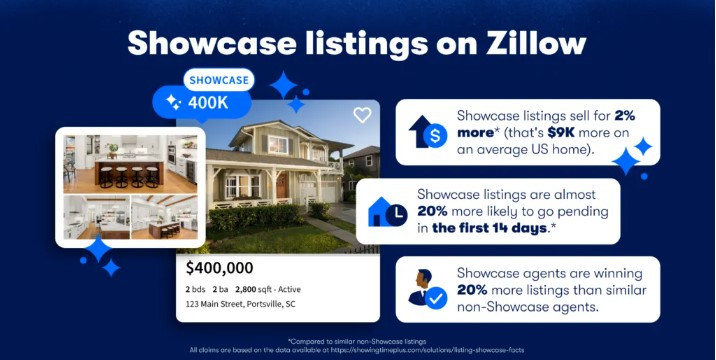
While some feared Zillow would replace real estate agents, it has instead changed their role. Agents now leverage Zillow as a lead-generation tool, connecting with potential clients who have already conducted research online. Many agents advertise on Zillow to reach a larger audience and showcase their listings, turning the platform into a mutually beneficial ecosystem.
3. Influence on Housing Market Trends
The Zestimate and Zillow’s real estate analytics contribute to a broader understanding of housing market trends. Investors, analysts, and policymakers monitor Zillow’s data to gauge market health, pricing fluctuations, and regional demand patterns. This level of insight helps shape decisions at both individual and institutional levels.
Zillow’s Mobile Experience
Zillow’s mobile app has become an essential tool for home seekers on the go. Available on iOS and Android, the app offers almost all the features of the website, including property searches, Zestimate access, mortgage calculators, and virtual tours. Push notifications alert users to new listings or changes in property status, keeping them ahead of the competition in fast-moving markets.
The app’s intuitive design and interactive maps enhance the user experience, allowing people to browse properties during commutes or while visiting neighborhoods, blending convenience with functionality.
Challenges and Criticisms
Despite its success, Zillow has faced challenges and criticisms over the years. Accuracy concerns with the Zestimate have been a persistent issue, as some users have experienced significant discrepancies between estimated and actual home values. Additionally, Zillow Offers faced operational difficulties due to unpredictable market conditions, leading to substantial financial losses.
Privacy is another consideration. With vast amounts of data on homes and neighborhoods, Zillow must carefully manage user information to avoid misuse or security breaches.
However, Zillow continues to address these challenges through algorithm improvements, better transparency, and a commitment to enhancing user trust.
The Future of Zillow
Looking ahead, Zillow is positioned to remain a dominant force in real estate technology. With the growth of artificial intelligence and predictive analytics, Zillow’s data-driven insights are expected to become even more sophisticated. Potential innovations include more accurate property valuations, smarter matchmaking between buyers and sellers, and enhanced virtual reality tours for immersive home exploration.
Furthermore, Zillow is exploring partnerships with mortgage lenders, home improvement companies, and local service providers to create an integrated ecosystem for all aspects of home ownership. The goal is to make Zillow not just a marketplace, but a complete platform for real estate life.
Conclusion
Zillow has fundamentally changed how people buy, sell, and rent homes. By combining comprehensive listings, cutting-edge technology, and user-friendly tools, it has democratized access to real estate information and empowered consumers like never before. From the iconic Zestimate to rental tools, mortgage calculators, and local market insights, Zillow has built a platform that caters to all participants in the housing market.
While challenges remain, Zillow’s commitment to innovation and transparency ensures it will continue shaping the future of real estate for years to come. Whether you are a first-time buyer, a seasoned investor, or someone looking for the perfect rental, Zillow offers the tools, data, and convenience to navigate the complex world of real estate with confidence.