 Sep 01, 2025 - 0
Minutes read
Sep 01, 2025 - 0
Minutes read
Uber Eats: Revolutionizing Food Delivery Worldwide
From Restaurant to Doorstep: How Uber Eats Works
In today’s fast-paced world, convenience has become a crucial part of daily life. Among the many services that have transformed how we live, Uber Eats stands out as a leader in the food delivery industry. Since its inception, Uber Eats has revolutionized the way we order meals, bridging the gap between restaurants and customers with remarkable speed and efficiency. This blog explores Uber Eats’ journey, features, impact on the food industry, and what makes it a go-to choice for millions around the globe.
What is Uber Eats?
Uber Eats is an online food ordering and delivery platform launched by Uber Technologies Inc. in 2014. Initially starting in select cities, Uber Eats now operates in hundreds of cities worldwide, connecting users to a wide array of restaurants and local eateries. Through its intuitive mobile app and website, customers can browse menus, place orders, and track deliveries in real-time.
Unlike traditional takeout services, Uber Eats provides a seamless experience by integrating technology, logistics, and local restaurant networks, allowing food to be delivered quickly and efficiently.
How Uber Eats Works
Uber Eats works on a simple three-step process:
Browse and Order: Users open the Uber Eats app, enter their location, and browse through available restaurants. The platform provides filters based on cuisine, delivery time, and price, making it easy to find exactly what you want.
Track Your Order: Once the order is placed, users can track the progress in real-time. From restaurant confirmation to food preparation and delivery, every step is visible on the app. This transparency adds reliability to the service.
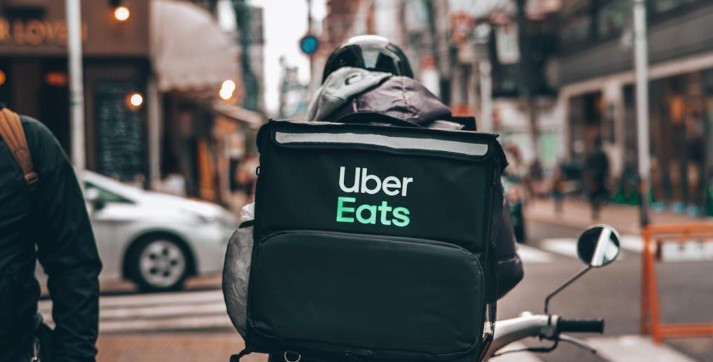
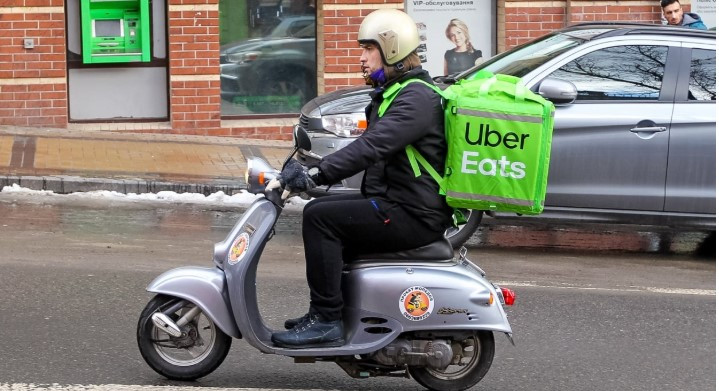
Delivery: Uber Eats drivers, often referred to as “delivery partners,” pick up the order and deliver it to the user’s location. Users can tip the driver through the app and provide feedback on the overall experience.
The convenience of ordering from your favorite restaurants without leaving your home or office is the primary reason behind Uber Eats’ skyrocketing popularity.
Features that Make Uber Eats Stand Out
Uber Eats has integrated several innovative features that make it a preferred choice for millions:
1. Wide Restaurant Selection
Uber Eats partners with a variety of restaurants, from popular chains to local hidden gems. This extensive range ensures that users have numerous options to choose from, catering to diverse tastes and dietary preferences.
2. Real-Time Order Tracking
The real-time GPS tracking feature allows users to monitor their order at every stage. Customers can see when the driver is en route, ensuring transparency and reducing uncertainty.
3. Scheduled Deliveries
For those planning meals in advance, Uber Eats offers the option to schedule deliveries. This feature is especially useful for office lunches, parties, or special occasions.
4. Promotions and Discounts
Uber Eats regularly offers discounts, promo codes, and cashback deals. These promotions not only attract new users but also reward loyal customers, making food delivery more affordable.
5. Customizable Orders
Users can customize their meals according to their preferences, including modifications, special instructions, or dietary restrictions. This level of personalization enhances the overall customer experience.
6. Contactless Delivery
Especially during the COVID-19 pandemic, contactless delivery became crucial. Uber Eats allows users to choose no-contact delivery, prioritizing safety for both customers and drivers.
Uber Eats’ Impact on the Food Industry
Uber Eats has not only changed how consumers order food but has also had a profound effect on the food industry itself.
Empowering Restaurants
Restaurants benefit from Uber Eats by gaining access to a larger customer base without investing heavily in delivery infrastructure. Small and medium-sized restaurants, in particular, can reach new customers and increase sales with minimal overhead.
Job Creation
Uber Eats has created countless jobs worldwide for delivery partners. Many individuals rely on the platform for flexible income, whether as a part-time opportunity or a primary source of livelihood.
Changing Consumer Habits
With the convenience of quick food delivery, consumers increasingly prefer ordering in rather than dining out. This shift has led restaurants to adapt their operations to cater to delivery demand, influencing menu design, packaging, and food presentation.
Challenges and Criticisms
While Uber Eats has achieved remarkable success, it is not without challenges:
High Service Fees: Some customers complain about delivery fees, service charges, and inflated menu prices on the app compared to in-store prices.
Driver Concerns: Delivery partners have raised issues about compensation, job security, and working conditions.
Competition: The food delivery market is highly competitive, with rivals like DoorDash, Grubhub, and Postmates constantly vying for market share.
Despite these challenges, Uber Eats continues to innovate, improve its platform, and maintain customer satisfaction.
Uber Eats vs. Traditional Food Delivery
Traditional food delivery often involves calling restaurants directly or visiting in person. While reliable, these methods have limitations:
Limited restaurant options.
No real-time tracking of orders.
Inflexible payment methods.
Difficulty in scheduling or customizing orders.
Uber Eats overcomes these limitations with its digital-first approach, providing a seamless, efficient, and user-friendly experience.
The Technology Behind Uber Eats
The success of Uber Eats can largely be attributed to its technological infrastructure. The app employs AI-driven algorithms to optimize delivery routes, estimate preparation times, and predict order demand. The platform’s intuitive interface and smooth navigation ensure a hassle-free experience, even during peak hours.
Furthermore, data analytics helps Uber Eats understand customer preferences, personalize recommendations, and improve overall service quality. This technological edge has made Uber Eats a dominant player in the online food delivery industry.
Sustainability and Future Initiatives
As consumer awareness of sustainability grows, Uber Eats has taken steps to reduce its environmental impact:
Encouraging restaurants to use eco-friendly packaging.
Promoting electric and hybrid vehicles for deliveries.
Partnering with local initiatives to minimize food waste.
Looking ahead, Uber Eats is exploring advanced delivery methods, including drones and autonomous vehicles, to further improve efficiency and reduce delivery times.

Tips for Getting the Best Uber Eats Experience
For users looking to maximize the benefits of Uber Eats, here are some tips:
Use Promo Codes: Always check for active discounts to save on delivery fees.
Check Estimated Delivery Times: Choose restaurants with faster delivery options for hot meals.
Track Orders: Utilize real-time tracking to stay updated and plan accordingly.
Customize Orders Carefully: Clearly mention any special instructions to avoid mistakes.
Explore New Restaurants: Try new cuisines or local eateries to discover hidden gems.
By following these tips, users can enjoy a smooth, satisfying, and cost-effective food delivery experience.
Conclusion
Uber Eats has fundamentally changed how people access food, blending technology, convenience, and variety into one seamless platform. Its wide reach, innovative features, and user-centric approach have made it a household name in the global food delivery market.
While challenges like competition and service fees exist, the platform’s benefits—speed, variety, and ease of use—far outweigh the drawbacks. As Uber Eats continues to evolve, it promises to bring even more innovation, efficiency, and satisfaction to the world of food delivery.
Whether you’re craving a quick snack, planning a family dinner, or trying out a new cuisine, Uber Eats offers a reliable and convenient solution. In a world where time is precious, Uber Eats ensures that delicious meals are just a few taps away.