 Sep 28, 2025 - 0
Minutes read
Sep 28, 2025 - 0
Minutes read
Topps: A Legacy of Collectibles, Culture, and Community
How Topps Became the King of Sports and Pop Culture Cards
For over seven decades, Topps has been a cornerstone of the collectibles industry—shaping childhood memories, fueling fandoms, and transforming the way people engage with sports and pop culture. What started as a small company selling penny gum eventually became a global icon synonymous with trading cards, nostalgia, and collector passion. Today, Topps stands as a powerhouse brand that bridges generations, from vintage baseball card enthusiasts to modern collectors chasing digital NFTs.
In this blog, we explore the history, evolution, and influence of Topps, along with the reasons behind its continued popularity and what makes the brand a timeless favorite among collectors worldwide.
The Origins of Topps: From Gum to a Collecting Phenomenon
The Topps Company was founded in 1938 in Brooklyn, New York, by the Shorin family. Originally, Topps specialized in producing chewing gum, a common business during that era. But in the early 1950s, the brand entered a new chapter—one that would redefine its legacy forever.
In 1951, Topps released its first major set of baseball trading cards, packaging them alongside sticks of bubble gum. These cards were simple but groundbreaking, combining vibrant player photos with statistics and trivia. Kids bought packs not just for the gum but for the excitement of building a collection, trading with friends, and connecting with their favorite athletes.
Within a few years, Topps became the dominant name in baseball cards, and it stayed that way for decades.
Topps and the Tradition of Sports Cards
Baseball Cards: The Heart of Topps
To this day, Topps is best known for its baseball cards. The company secured exclusive rights with Major League Baseball for many years and produced iconic sets that are now highly valuable. Cards of legendary players such as Mickey Mantle, Hank Aaron, Willie Mays, and Derek Jeter became centerpieces in collections and auction houses.
The Topps 1952 Mickey Mantle card is one of the most famous and expensive sports cards ever produced—symbolizing the peak of sports card investment.
Beyond Baseball: Expansion into Other Sports
While baseball established the brand’s legacy, Topps eventually expanded into additional sports:
Basketball cards
Football cards
Hockey cards
Soccer cards (Topps Chrome UEFA, MLS sets, etc.)
Topps built partnerships with major leagues and organizations, giving fans a way to collect players across multiple sports. In recent years, soccer cards—especially European and MLS sets—have gained massive popularity, further expanding Topps’ global reach.
The Rise of Topps Chrome and Heritage Series
Topps has continued evolving with new card styles and premium lines.
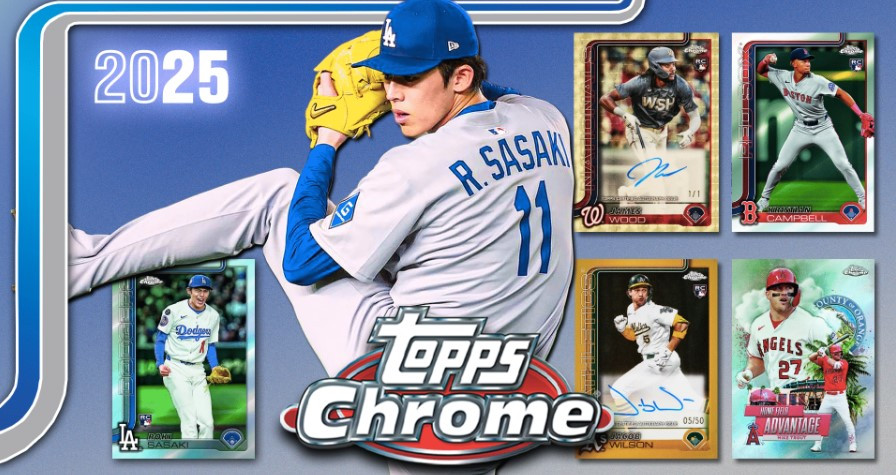
Topps Chrome
This collection introduced fans to:
High-gloss, chromium-style cards
Refractors
Autographs
Rare numbered inserts
Topps Chrome is extremely popular among modern collectors and investors, offering sleek designs and high resale value.
Topps Heritage
Conversely, Topps Heritage caters to nostalgia lovers by combining modern players with retro card designs inspired by the 1950s–1970s.
This combination of old and new is one of the brand’s biggest strengths—offering every type of collector something they can connect with.
Topps in Pop Culture: Movie, TV, and Entertainment Cards
While sports cards built the foundation, Topps became equally famous for its entertainment-themed trading cards. These sets created unforgettable cultural moments and are still beloved today.
Star Wars Cards
Topps released its first Star Wars card set in 1977 along with the premiere of A New Hope. These cards captured scenes from the film, character portraits, and quotes—sparking intense fan engagement. Today, Topps Star Wars cards remain extremely collectible, with limited editions, autographs, and themed series.
Garbage Pail Kids
Launched in the 1980s, Garbage Pail Kids (GPK) became an instant phenomenon with its humorous, bizarre, and rebellious style. These sticker cards weren’t just collectible—they became a pop culture symbol, influencing comics, merchandise, and even TV adaptations.
Other Entertainment Lines
Topps has produced cards for:
WWE
Pokémon (in early U.S. releases)
Marvel characters
Frozen
The Lord of the Rings
And more
This variety helped the brand appeal to broader audiences beyond sports.

The Digital Transformation: Topps NFTs and Apps
As technology changed consumer behavior, Topps embraced the digital collectibles revolution. Unlike brands stuck in the past, Topps saw an opportunity to expand its community online.
Topps Digital Apps
Apps like Topps BUNT, Topps KICK, Topps Star Wars Card Trader, and others allow users to:
Collect digital cards
Trade with fans globally
Open virtual packs
Participate in challenges and contests
These digital platforms make collecting accessible to younger audiences and international fans.
Topps NFT Marketplace
With blockchain technology rising, Topps launched digital NFT card collections. These offer:
Limited-edition digital assets secured on blockchain
Animated and 3D card designs
Exclusive digital packs for major events and characters
Digital collectibles may not replace physical cards, but they offer a new avenue for modern collectors, showing how Topps continues to innovate while honoring its heritage.
Why Topps Remains So Popular Today
1. A Legacy That Spans Generations
Parents who collected Topps cards in the 60s or 80s now share the hobby with their kids. This generational connection strengthens brand loyalty.
2. High-Quality Designs and Innovation
From vintage-inspired cards to ultra-modern Chrome refractors, Topps consistently balances tradition with creativity.
3. Investment Potential
The sports card market has grown dramatically. Topps cards—especially rare rookies, autographs, and parallels—are valuable assets in the collector-investor world.
4. Cultural Relevance
Topps stays connected with pop culture trends, new sports stars, and entertainment franchises.
5. Global Community and Marketplace
Collectors worldwide can trade, buy, sell, and connect through online groups, apps, and events.
Topps in the Modern Market: What Collectors Look For
Whether you’re a seasoned collector or a beginner, Topps offers a wide range of products. Some of the most in-demand categories include:
Rookie Cards
Rookie cards of rising stars often become the most valuable. Sets like Topps Chrome and Topps Update Series are top choices.
Autographed Cards
Featuring signatures from athletes, actors, and celebrities, these cards are unique and highly sought after.
Numbered Parallels
Limited print-run cards (e.g., /99, /50, /10, 1/1) are prized for their rarity.
Vintage Cards
Cards from the 1950s–1980s are considered collector gold—especially in mint condition.
Special Edition Boxes
Hobby boxes and mega boxes often include exclusive inserts and hits.
The Future of Topps: Innovation Meets Nostalgia
Topps continues to evolve under new ownership and expanding partnerships. Their focus on:
Advanced card printing technology
International sports like Formula 1 and soccer
Digital NFT integration
New pop culture franchises
ensures that the brand remains relevant in an ever-changing market.
With the growing popularity of card collecting as both a hobby and an investment, Topps is uniquely positioned to lead the industry for decades to come.
Final Thoughts: More Than Cards — A Cultural Icon
Topps isn’t just a trading card company. It’s a nostalgic time capsule of sports history, pop culture moments, and personal memories. For many, opening a pack of Topps cards is an experience filled with excitement, discovery, and connection. Whether you’re collecting for fun, passion, or investment, Topps represents a timeless tradition loved by millions worldwide.
From baseball legends to Star Wars heroes, from vintage classics to digital NFTs, Topps continues to shape the world of collectibles—one card at a time.