 Apr 17, 2026 - 0
Minutes read
Apr 17, 2026 - 0
Minutes read
IKEA: The Global Icon of Affordable, Stylish, and Functional Living
IKEA Home Decor Ideas to Refresh Your Space on a Budget
When it comes to home furnishings, few brands are as instantly recognizable and universally loved as IKEA. From its flat-pack furniture to its Swedish meatballs, IKEA has become more than a home goods retailer—it is a cultural phenomenon. With over 460 stores worldwide, millions of loyal customers, and a product catalog that blends simplicity, beauty, and affordability, IKEA continues to shape the way people design their living spaces.
In this in-depth blog, we will explore the history of IKEA, why it dominates the home furnishing market, how it maintains consistent quality at affordable prices, and how its products are helping people create functional and stylish homes on any budget.
A Brief History of IKEA: From a Small Town Idea to a Global Giant
IKEA was founded in 1943 by Ingvar Kamprad, a 17-year-old entrepreneur from Småland, Sweden. The name IKEA comes from his initials (I.K.), plus the farm where he grew up (Elmtaryd) and his hometown (Agunnaryd). What started as a small mail-order business selling pens and wallets evolved into the world’s largest home furnishings retailer.
By the 1950s, IKEA began designing its own furniture, and soon after introduced what would become its signature move: flat-pack furniture. This innovation solved the challenges of high shipping costs and made furniture easier for customers to take home and assemble themselves. The concept revolutionized the industry and turned IKEA into a household name.
Today, IKEA continues to grow with a mission rooted in offering “democratic design”—products that are affordable, functional, easy to assemble, and aesthetically pleasing.
Why IKEA Is Loved Worldwide
The secret to IKEA’s massive global success lies in its unique approach to retail, design, and customer experience. Here are the top reasons why people love IKEA:
1. Affordable Quality
IKEA products are designed to offer durability and style without breaking the bank. The brand keeps costs low through:
Flat-pack shipping
Efficient manufacturing
Simple, Scandinavian design
Large-scale production
This allows customers to buy modern furniture at prices significantly lower than premium brands.
2. Timeless Scandinavian Design
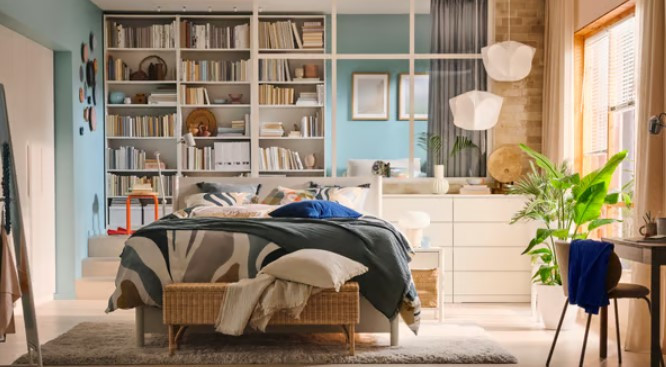
IKEA has popularized Scandinavian design across the world. The style is defined by:
Clean lines
Minimalism
Light colors
Functional beauty
The idea is simple: create homes that feel peaceful, organized, and uncluttered. IKEA’s products seamlessly fit into any home, whether modern, rustic, or traditional.
3. The Unique In-Store Experience
A trip to IKEA isn't just shopping—it’s an experience.
Customers walk through thoughtfully designed showrooms that replicate real bedrooms, living rooms, offices, and kitchens. These setups inspire buyers and show how to style furniture creatively. The stores also include:
A Swedish food court
Self-service warehouse
Play area for kids
Scandinavian marketplace section
This has turned IKEA shopping into a fun weekend activity for families and individuals alike.
4. Easy-to-Assemble Furniture
IKEA gained popularity for its ready-to-assemble furniture. Each product comes with:
Pre-cut materials
Step-by-step instructions
Minimal tools required
Although some items may take time to assemble, the process is usually beginner-friendly, making IKEA a go-to choice for students, new homeowners, and renters.
5. Sustainability First
IKEA is deeply committed to sustainability and environmental responsibility. Its efforts include:
Using recycled or renewable materials
Reducing carbon emissions
Offering energy-efficient products
Investing in more sustainable production methods
The company aims to become 100% circular by 2030, meaning all materials will be recycled or reused.
Popular IKEA Categories and Why They Stand Out
IKEA offers thousands of products, but some categories remain customer favorites. Let’s explore the most popular ones.
1. IKEA Furniture
IKEA sells everything from sofas to wardrobes, beds to office desks. Popular product lines include:
BILLY bookcase
MALM bedroom series
KALLAX storage units
POÄNG armchair
LACK tables
These items have become classics due to their durability and simplicity.
2. IKEA Home Decor
IKEA’s home decor section offers:
Rugs
Vases
Curtains
Mirrors
Wall art
Lighting
The affordability allows customers to refresh their home décor without large investments.
3. IKEA Kitchen & Dining
IKEA’s modular kitchens are extremely popular. Customers can choose:
Cabinets
Countertops
Sinks
Lighting
Organizers
With customizable designs, IKEA kitchens cater to every home type and budget.
4. IKEA Storage Solutions
Maximizing space is one of IKEA’s strengths. Their storage products include:
Drawers
Shelving units
Wardrobe systems
Foldable boxes
Under-bed organizers
These are incredibly valuable for small apartments and minimalistic lifestyles.

IKEA for Small Spaces: Smart Solutions for Modern Living
With urban living spaces becoming smaller, IKEA has mastered the art of designing compact, multipurpose furniture. Examples include:
Sofa beds with storage
Foldable dining tables
Wall-mounted desks
Under-bed storage drawers
Vertical shelving
These items allow people to transform small rooms into highly functional areas without clutter.
IKEA’s small-space approach emphasizes:
Maximizing vertical space
Using multi-purpose furniture
Creating hidden storage
Maintaining open, airy layouts
This makes it ideal for studio apartments, dorm rooms, and shared spaces.
IKEA and the Culture of DIY
IKEA has made DIY furniture assembling mainstream. People across the world take pride in building their own furniture—even sharing photos and videos of the process online.
DIY culture at IKEA has inspired:
Hacks and modifications
Creative rearrangement
Custom design ideas
The famous “IKEA hacks” community personalizes furniture using paint, extra hardware, and creative imagination. This trend has grown into a massive online movement.
IKEA Online Shopping: Convenience at Your Fingertips
IKEA’s online store has made it easier for customers to shop anytime. Key advantages include:
Product browsing with detailed descriptions
Online room-planning tools
Delivery scheduling
Click-and-collect service
Many customers prefer ordering online for large items like beds, sofas, and storage cabinets, then assembling them at home.
IKEA’s Social and Cultural Impact
Beyond furniture, IKEA has impacted cultures and lifestyles globally. Some examples include:
1. Making Modern Design Accessible
Before IKEA, contemporary furniture styles were expensive. IKEA democratized design by making stylish products affordable.
2. Encouraging Sustainable Living
From LED bulbs to eco-friendly textiles, IKEA promotes sustainable habits at home.
3. Becoming a Pop-Culture Icon
IKEA has been featured in movies, memes, and social media trends. Its blue-and-yellow logo, Allen key, and meatballs are instantly recognizable.
Pros and Cons of Shopping at IKEA
Every brand has pros and cons, and IKEA is no exception. Here’s a balanced perspective:
Pros
Affordable prices
Modern, stylish designs
Huge product variety
Inspiring showrooms
Easy ordering and delivery
Sustainable product options
Cons
Assembly can be time-consuming
Some products may not last as long as high-end furniture
Store layout can feel overwhelming for some
Popular items may run out of stock
Overall, the pros far outweigh the cons for most customers, especially those looking for value and modern design.
Should You Buy from IKEA? Final Thoughts
IKEA remains a leading choice for millions of people worldwide because it provides affordable, functional, and beautifully designed home solutions. Whether you’re furnishing your first apartment, redecorating your home, or looking for smart storage ideas, IKEA has options for every taste and budget.
Its combination of Scandinavian design, sustainability initiatives, innovative products, and the fun in-store experience has made it a beloved global brand. IKEA continues to evolve with trends, technology, and customer needs—while staying true to its mission of creating a better everyday life for people across the world.
If you're looking to transform your living environment without overspending, IKEA is undoubtedly one of the best places to start.