 Jun 27, 2025 - 0
Minutes read
Jun 27, 2025 - 0
Minutes read
H&M: Revolutionizing Fashion with Style, Sustainability, and Affordability
The H&M Conscious Collection: Sustainable Fashion Made Easy
H&M, short for Hennes & Mauritz, is a global fashion powerhouse that has reshaped the way people shop for clothing. Since its founding in 1947 in Västerås, Sweden, H&M has grown into one of the world’s largest fashion retailers, known for offering trendy, affordable clothing for men, women, and children. With thousands of stores in over 70 countries and a strong online presence, H&M has become a household name, appealing to millions of fashion-conscious consumers worldwide.
The History of H&M
The story of H&M began with Erling Persson, who opened the first store called Hennes (“hers” in Swedish), focusing solely on women’s fashion. In 1968, Persson acquired a hunting and men's clothing store called Mauritz Widforss, and the company evolved to include men’s apparel. This acquisition led to the new name: Hennes & Mauritz, which was eventually shortened to H&M.
Over the decades, H&M has expanded aggressively, entering international markets and launching collaborations with high-end designers, such as Karl Lagerfeld, Versace, and Balmain. These collaborations have allowed H&M to bridge the gap between luxury fashion and affordability, making designer collections accessible to the general public.
H&M’s Product Range
H&M is known for its diverse and trendy collections, catering to various demographics and fashion preferences. Here’s a closer look at what H&M offers:
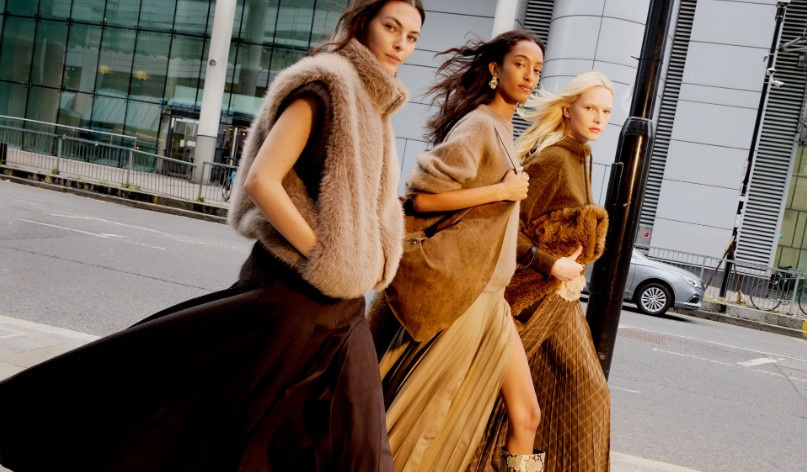
Women’s Fashion
H&M’s women’s line includes everything from casual wear to formal attire, seasonal collections, and accessories. They provide denim, dresses, blouses, jackets, and activewear, all designed to combine style with comfort.Men’s Fashion
For men, H&M offers a wide array of clothing, including shirts, trousers, suits, jackets, and loungewear. The brand also emphasizes modern and professional styles for men who seek both affordability and elegance.Kids’ Clothing
H&M’s children’s line is vibrant and fun, offering clothing for babies, toddlers, and older kids. The focus is on comfort, practicality, and playful designs.Accessories and Footwear
H&M complements its clothing range with shoes, bags, jewelry, hats, and scarves, enabling customers to complete their look effortlessly.Conscious Collection
In response to growing environmental awareness, H&M has launched its Conscious Collection, featuring sustainable materials like organic cotton and recycled fabrics. This initiative reflects H&M’s commitment to sustainable fashion.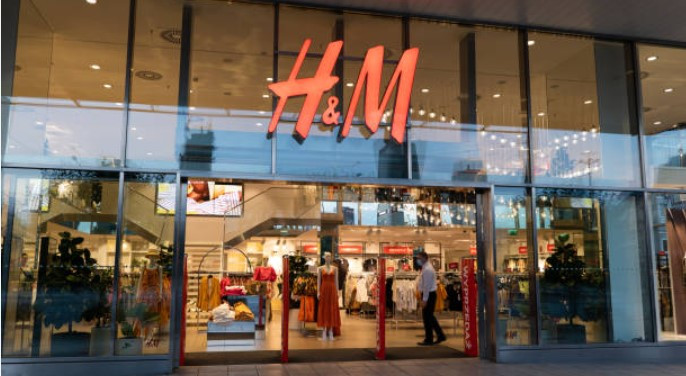
Affordable Fashion Without Compromise
One of H&M’s key strengths is its ability to provide fashionable clothing at affordable prices. Unlike luxury brands that cater to a niche market, H&M focuses on mass-market appeal. The brand’s pricing strategy ensures that people from different economic backgrounds can enjoy stylish clothing without breaking the bank.
The affordability factor doesn’t compromise quality. H&M continuously invests in design, sourcing, and production to ensure that garments are durable, comfortable, and trendy. This strategy has helped the brand maintain a loyal customer base across generations.
Global Expansion and E-commerce Presence
H&M’s success is not limited to Sweden; it has become a global fashion leader. The brand operates in over 70 countries with thousands of physical stores strategically located in malls, city centers, and high streets.
In recent years, H&M has also strengthened its online shopping platform, allowing customers to browse and purchase products with ease. The e-commerce site is user-friendly, with features like product recommendations, size guides, and easy returns. H&M’s digital expansion has been particularly crucial in reaching younger consumers who prefer online shopping.
Collaborations and Limited-Edition Collections
One of the most remarkable strategies H&M employs is designer collaborations. By partnering with renowned designers and celebrities, H&M creates limited-edition collections that generate massive hype. Some of the most notable collaborations include:
Versace x H&M – Bringing iconic prints and luxury style to the high-street market.
Balmain x H&M – A fusion of couture elegance with accessibility.
Karl Lagerfeld x H&M – Showcasing classic and chic pieces at affordable prices.
These collaborations have helped H&M maintain its image as a trendsetter in fashion, making designer style attainable for everyday shoppers.
Commitment to Sustainability
As the fashion industry faces increasing scrutiny for its environmental impact, H&M has made sustainability a core part of its strategy. The brand has implemented several initiatives to reduce its ecological footprint:
Conscious Materials – H&M uses organic cotton, recycled polyester, and sustainably sourced fabrics in many of its collections.
Clothing Recycling Program – H&M encourages customers to donate unwanted clothes in stores, which are then recycled or repurposed.
Sustainable Supply Chain – H&M focuses on ethical sourcing, fair labor practices, and minimizing water and energy consumption in production.
While critics argue that fast fashion inherently poses sustainability challenges, H&M is striving to balance affordability, style, and environmental responsibility.
Marketing and Customer Engagement
H&M has mastered the art of marketing and brand positioning. The brand uses multiple strategies to engage its audience:
Social Media Campaigns – H&M maintains an active presence on platforms like Instagram, TikTok, and Facebook, connecting with younger audiences through visual storytelling and influencer partnerships.
Loyalty Programs – The H&M Member Program rewards customers with discounts, early access to collections, and personalized offers.
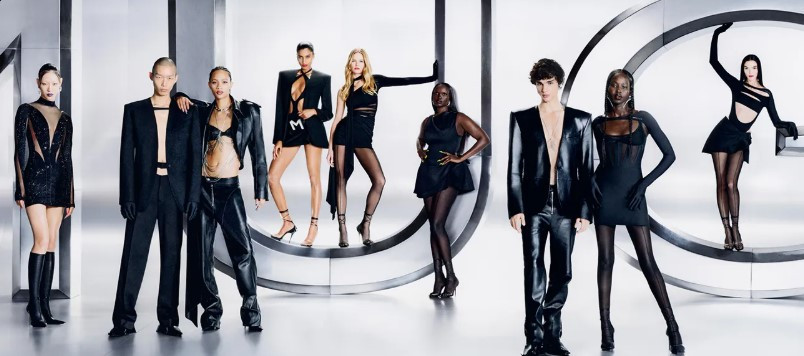
Advertising and Campaigns – The brand’s campaigns often focus on diversity, inclusivity, and modern lifestyles, reflecting contemporary social trends.
Challenges in the Fast Fashion Industry
Despite its success, H&M faces challenges inherent to the fast fashion model:
Environmental Criticism – Fast fashion contributes to textile waste and pollution, and H&M has to continuously innovate to reduce its impact.
Competition – Brands like Zara, Uniqlo, and Shein pose stiff competition in both price and trendiness.
Economic Fluctuations – Global economic instability can affect consumer spending, impacting H&M’s sales performance.
However, H&M’s adaptability, focus on sustainability, and strong brand identity have allowed it to remain a dominant player in the fashion industry.
H&M and the Future of Fashion
Looking ahead, H&M is poised to continue its growth and influence in global fashion. The brand is investing in digital transformation, sustainable innovation, and global expansion, ensuring it stays relevant in a rapidly evolving market.
H&M’s vision is not just about clothing; it’s about creating fashion for all — blending style, affordability, and responsibility. By prioritizing sustainability, embracing technology, and staying attuned to consumer trends, H&M is setting a standard for the future of fast fashion.
Conclusion
H&M is more than just a clothing retailer; it is a symbol of accessible, trendy, and responsible fashion. From its humble beginnings in Sweden to its global presence today, H&M has consistently focused on delivering style without compromise, making fashion accessible to millions worldwide.
Whether through innovative designer collaborations, sustainable initiatives, or a commitment to affordability, H&M continues to reshape the fashion industry. For fashion lovers seeking a blend of style, quality, and value, H&M remains a go-to destination — proving that great fashion doesn’t have to come with a hefty price tag.